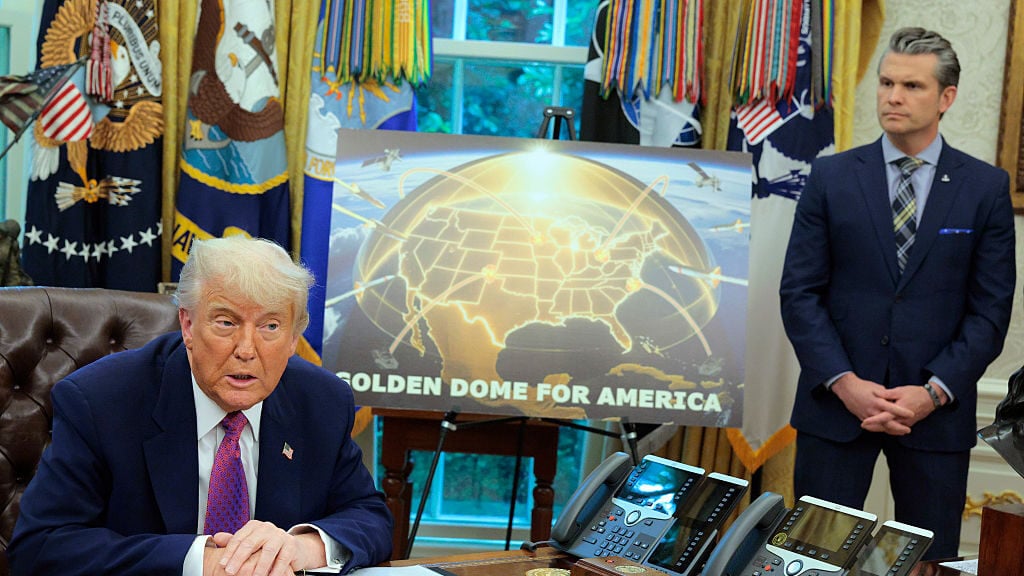
Golden Dome: Space Force awards first space-based interceptor prototype contracts
The Space Force did not identify the winners, saying their names are "protected by enhanced security measures."
The Space Force did not identify the winners, saying their names are "protected by enhanced security measures."

"[W]e restrain ourselves from doing what is needful to avoid creating improper perceptions of 'weaponizing space.' In reality, space has been weaponized for at least two decades, and our slowness to absorb that reality has held back our progress," Space Force chief Gen. Chance Saltzman said today.


A decorated combat aviator and biotech CEO advocates preparing for novel viral threats before the next crisis.

This year saw evidence that a shift toward more openness about US national security space activities is coming whether those deep in the "black world" are ready or not.

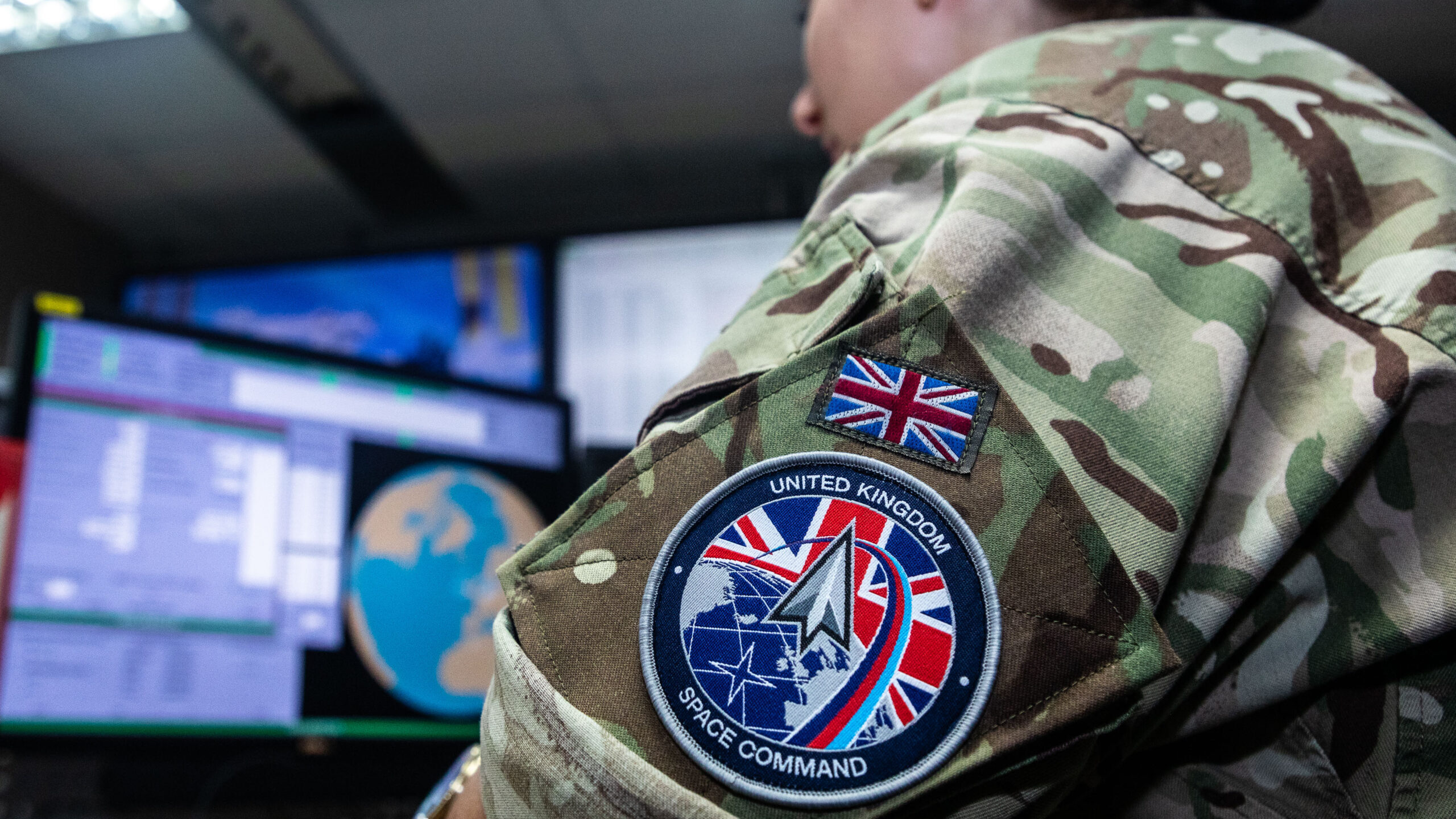
UK Air Marshal Paul Godfrey told the Center for Strategic and International Studies that his remit includes ensuring that there are clear "touch points" for allies and partners to interact with the nascent Space Force Futures Command.

Brig. Gen. Kyle Paul told Breaking Defense that rather than being a problem, technology now is helping the Space Force to find "opportunities" to enable wider information sharing through the ability to "compartmentalize" data within computer systems.
In his Commanders Note issued today, Gen. Chance Saltzman said the appointment marks the first time a foreign officer has been assigned to such a high position within a US service.

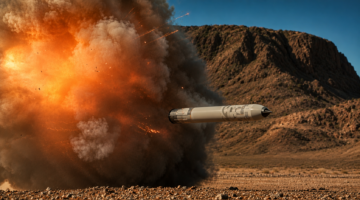
The goal of such weaponization is to tie warfighter needs to the RDT&E cycle.

In this op-ed, Joshua Haecker explains how AI and LLMs can help the Intelligence Community use unclassified information, an often untapped source.
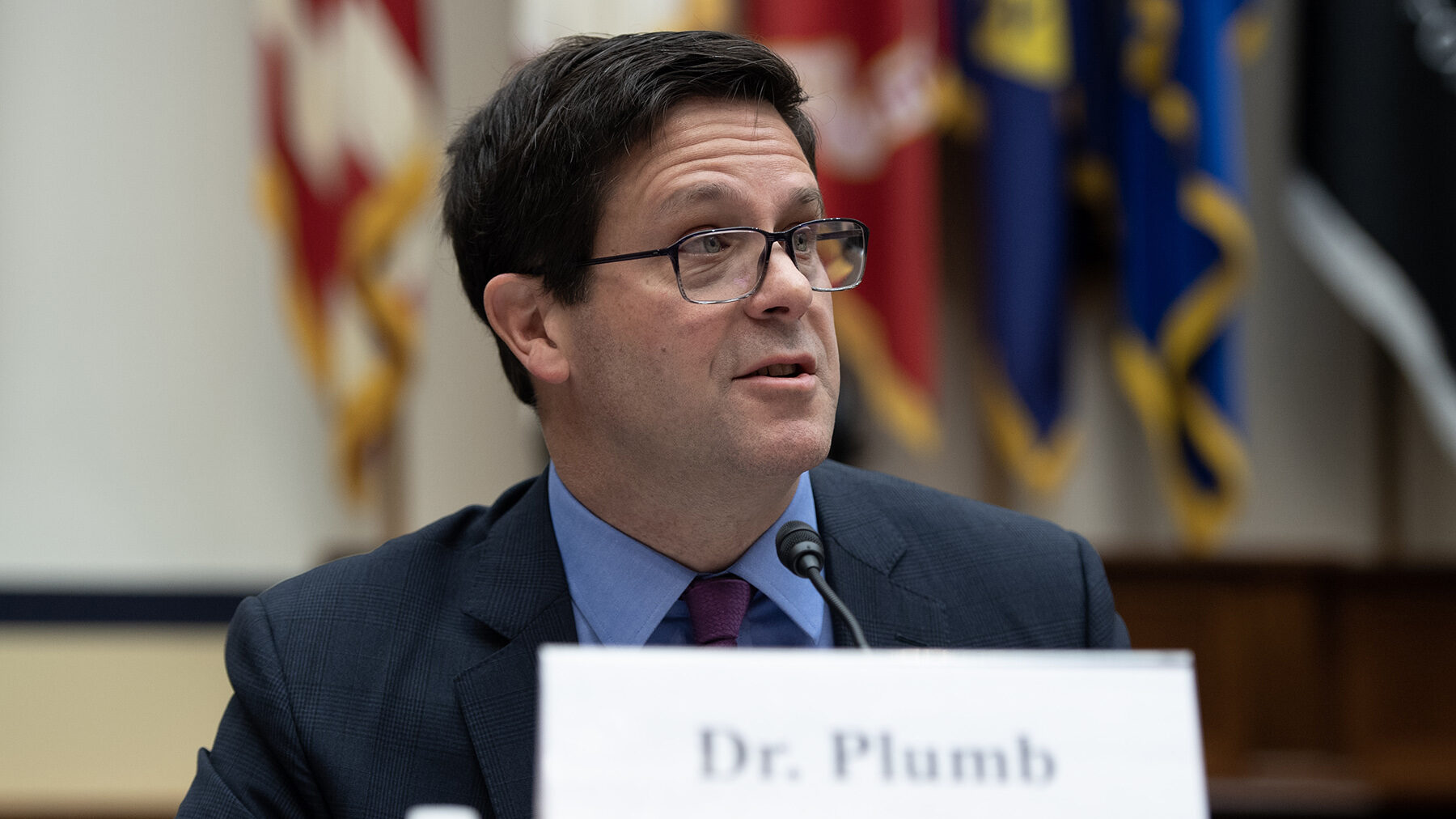
Under the new approach, there must be a technical rationale for stamping a space program as special access, not simply because of a service policy decision, said DoD space policy czar John Plumb.
SSC Director of International Affairs Deanna Ryals told Breaking Defense that the primary goal of the first-ever "international reverse industry days" meeting is survey the landscape of needed allied space capabilities, and figure out where countries can help fill each other's gaps.

Saltzman cautioned that the service is unlikely to "go from 'eat before reading' classification to unclassified."


One commander, many robots: Fully autonomous ground vehicles are reshaping the battlefield.

"The prospects for complete success in deterrence of hostile attacks on space assets, particularly reversible, nondestructive attacks, are limited," the RAND study cautions.

The review, whose initial findings are due in 45 days, involves DoD CIO John Sherman, who's already been long at work revamping how the Pentagon protects its secrets.

John Plumb, DoD assistant secretary for space policy, suggested overuse of SAPs is hindering information sharing across programs and, more importantly, to allies.

"A capable and resilient weapon system will be operationally ineffective if its personnel, expertise, tactical employment, and sustainment are insufficient for the mission," Chief of Space Operations Gen. Chance Saltzman says in his first commander's note on fielding combat-ready space forces.